Books for Big Moments: Sleep, Potty, Feelings and New Siblings
Books About Anxiety for Preschoolers: Gentle Picture Books for Worries, Goodbyes and Fears
Fifteen gentle books about anxiety for preschoolers, sorted by the worry: goodbyes and drop-off, bedtime and the dark, new places, and everyday what-ifs. Each has an age range, plus a comparison table, reading tips and when to talk to your pediatrician.

Key takeaways
- Pick a book for the worry your child has: goodbyes, the dark, new places or everyday what-ifs.
- For drop-off, choose a story where the grown-up leaves and clearly comes back.
- Read a worry book on a calm day before the hard moment, not in the middle of it.
- Separation anxiety is common in young children and usually fades with time.
- Talk to your pediatrician if fears are extreme, last past the usual age or stop everyday life.
The best books about anxiety for preschoolers match the worry your child actually has: saying goodbye at drop-off, the dark at bedtime, a first day somewhere new, or a head full of what-ifs. Below are 15 picture books sorted by those four worries, each with an age range. You'll also find a comparison table, how a story can help, how to read a worry book at the right moment, and when to talk to your pediatrician.
The short answer: our picks by worry
- For drop-off tears: Llama Llama Misses Mama by Anna Dewdney.
- For a toddler starting childcare: Bye-Bye Time by Elizabeth Verdick.
- For fear of the dark: Can't You Sleep, Little Bear? by Martin Waddell.
- For a first day somewhere new: Mae's First Day of School by Kate Berube.
- For a child who worries about everything: Ruby Finds a Worry by Tom Percival.
Ages below are the ranges each publisher lists. Where we couldn't open the publisher's page, they come from a Kirkus Reviews or Publishers Weekly review.
Books about separation anxiety and goodbyes
Most preschool worry starts at the door. Look for a story where the grown-up leaves and, just as clearly, comes back. The AAP suggests a short, loving goodbye ritual, a comfort object, and telling your child when you'll return in words they understand, like "after nap time" (HealthyChildren.org (opens in a new tab)).
Bye-Bye Time (opens in a new tab) by Elizabeth Verdick (Free Spirit, a board book for toddlers). Made for toddlers starting childcare or meeting a new sitter. It offers small goodbye routines, like a hug, a big wave and a deep breath, and includes tips for grown-ups.
Owl Babies (opens in a new tab) by Martin Waddell, illustrated by Patrick Benson (Candlewick, ages 3–7, with board book editions from birth). Three baby owls wake in the night and their mother is gone. They huddle on a branch, wondering where she is, until she flies home.
Llama Llama Misses Mama (opens in a new tab) by Anna Dewdney (Viking, ages 2–5). On his first day of preschool, Llama Llama isn't sure about the day once Mama leaves for work. New friends help, and the rhyme makes clear that Mama will come back.
The Kissing Hand (opens in a new tab) by Audrey Penn (ages 3–8). Chester Raccoon would rather stay home than go to school. His mother kisses his palm so he can press her love to his cheek when he feels lonely. It hands you a ritual to borrow.
The Invisible String (opens in a new tab) by Patrice Karst, illustrated by Joanne Lew-Vriethoff (Little, Brown, ages 4–8). A mother tells her children that a string made of love ties them to everyone they love. It also touches on loss, so it suits older preschoolers best.
Every detail you give ends up in the story
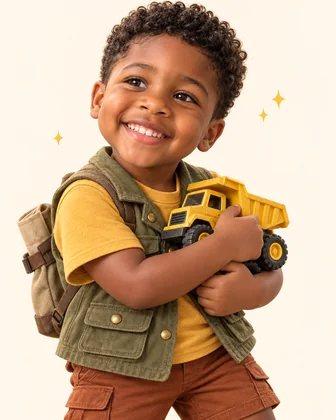
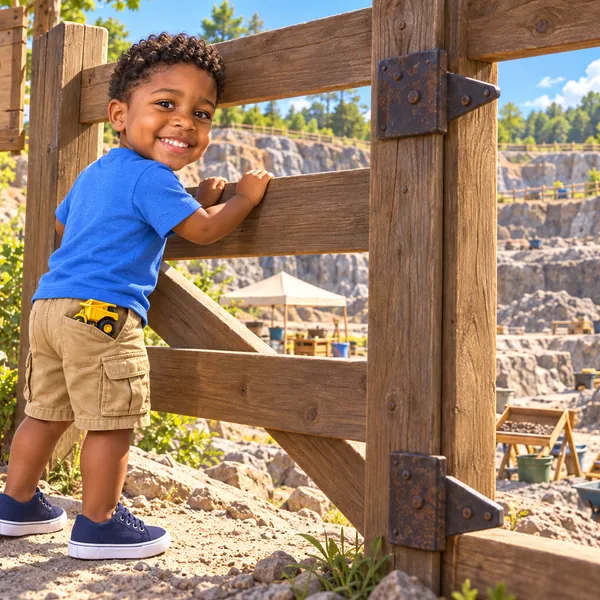
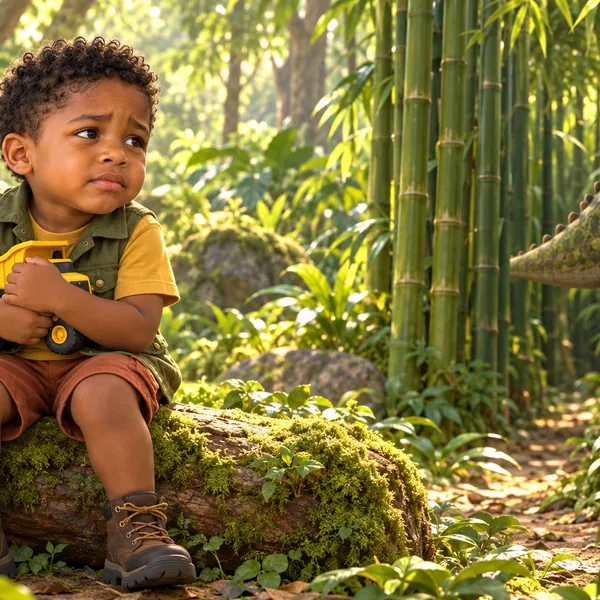
- Kai · 4
 Clinging and not letting go
 A special object from home
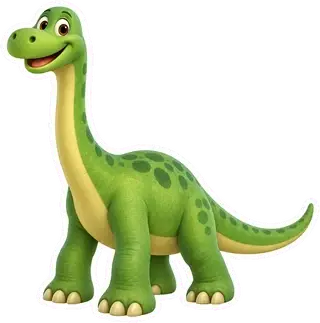 Dinosaurs

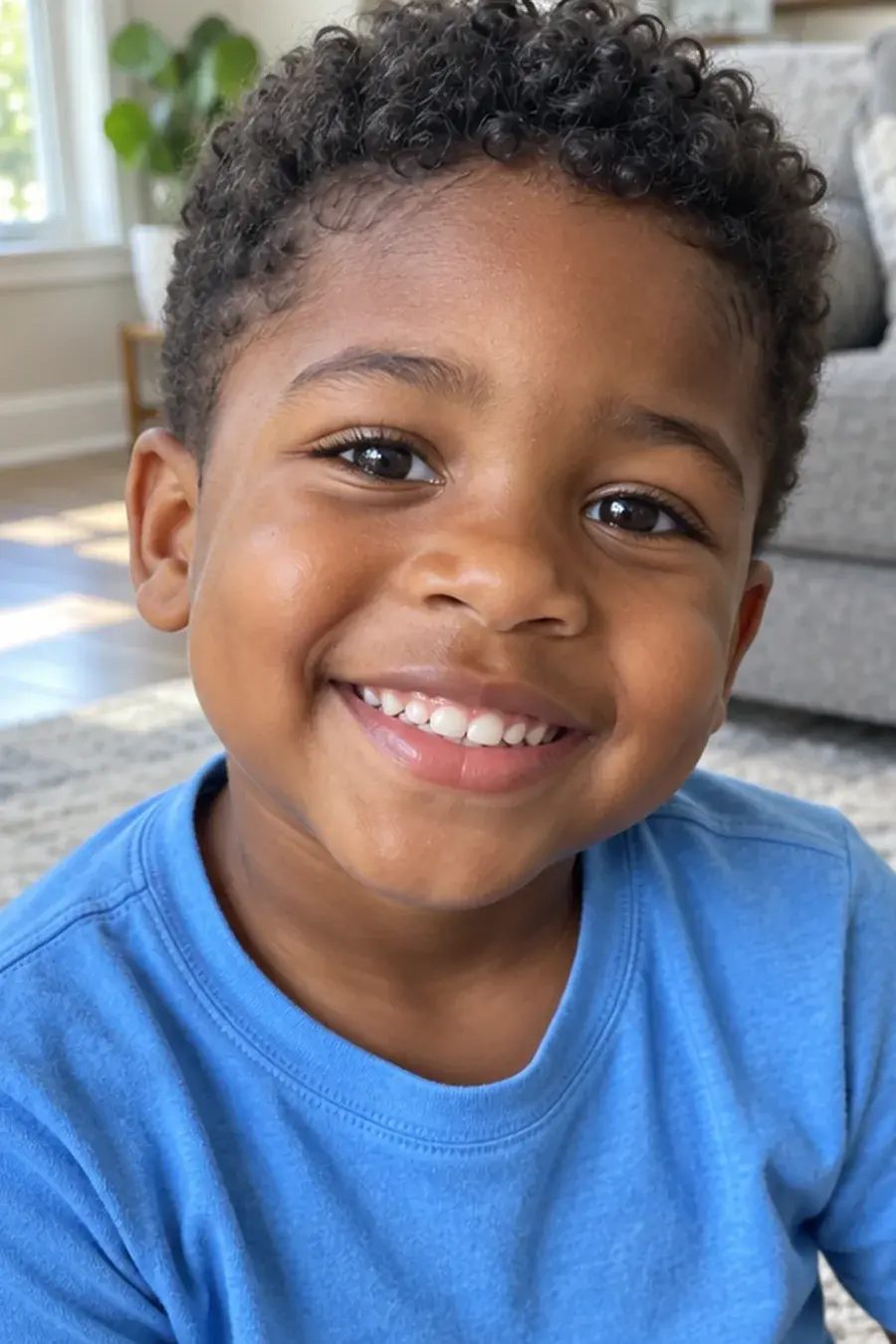 painted from his photo
+ 15 minutes waiting
- Photos are deleted after printing — or 30 days after you approve
- Every story unique — no templates
Books about bedtime worries and the dark
Fears of the dark and of monsters are common at ages 4 to 6, when children can pretend but can't always tell what's real (KidsHealth (opens in a new tab)). Read these early in the evening, as part of a calm, predictable bedtime routine.
Can't You Sleep, Little Bear? (opens in a new tab) by Martin Waddell, illustrated by Barbara Firth (Candlewick, ages 3–7). Little Bear doesn't like the dark in the bear cave. Big Bear patiently brings lanterns, and when they aren't enough, shows him the moon and stars. It models the grown-up's part, too.
Orion and the Dark (opens in a new tab) by Emma Yarlett (Templar/Candlewick, ages 3–7). Orion's biggest fear is the dark, until the Dark itself turns up, friendly and smiling, and takes him on a night of fun. The scary thing becomes a character a child can meet.
The Dark (opens in a new tab) by Lemony Snicket, illustrated by Jon Klassen (Little, Brown, ages 4–8). The dark lives in Laszlo's house, mostly in the basement, until one night it comes up to his room. It is quiet and moody, so it suits a five-year-old more than a toddler.
Books about new places and first days
New things feel scary partly because a child can't picture them yet. A story lets them walk in once before the real day.
The Pigeon HAS to Go to School! (opens in a new tab) by Mo Willems (Hyperion, ages 3–5). The Pigeon insists he already knows everything, then lets slip how nervous he is about the teacher, the lessons and the other birds. Funny enough for a tense morning.
Mae's First Day of School (opens in a new tab) by Kate Berube (Abrams, ages 3–7). Mae won't go in and climbs a tree instead. A classmate joins her, then the teacher, who admits her own first-day worries. A gentle sign that grown-ups get nervous too.
Breathe Like a Bear: First Day of School Worries (opens in a new tab) by Kira Willey, illustrated by Anni Betts (Rodale Kids, ages 3–7). Bear is excited for school but anxious, and so are her friends. Owl gives them words to say together, and the book teaches a simple breathing exercise.
Don't Worry, Little Crab (opens in a new tab) by Chris Haughton (Candlewick, ages 2–5, also a board book). Little Crab leaves the tide pool for the sea with Very Big Crab, and the waves are much bigger than expected. Bold, bright art makes it a good first "trying something new" book.
Books about everyday worries and what-ifs
Wemberly Worried (opens in a new tab) by Kevin Henkes (Greenwillow, ages 4–7). Wemberly the mouse worries about big things and small ones, and starting nursery school makes it worse. Then she meets Jewel, who worries too.
Ruby Finds a Worry (opens in a new tab) by Tom Percival (Bloomsbury, ages 4–6). Ruby's Worry is small at first, but it grows the more she ignores it. When she talks to a boy who has one too, both Worries shrink.
Jabari Jumps (opens in a new tab) by Gaia Cornwall (Candlewick, ages 4–8). Jabari has finished swimming lessons and feels sure he's ready to jump off the diving board. His dad gives his hand a squeeze, and Jabari takes a moment to get ready.
Anxiety books for preschoolers at a glance
| Book | Author | Worry | Ages | Format | Best for |
|---|---|---|---|---|---|
| Bye-Bye Time | Elizabeth Verdick | Goodbyes | Toddlers | Board book | Toddlers starting childcare |
| Owl Babies | Martin Waddell | Goodbyes | 3–7 | Picture book, also board book | A parent who comes back |
| Llama Llama Misses Mama | Anna Dewdney | Goodbyes | 2–5 | Picture book, also board book | Preschool drop-off |
| The Kissing Hand | Audrey Penn | Goodbyes | 3–8 | Picture book | A ritual to borrow |
| The Invisible String | Patrice Karst | Goodbyes | 4–8 | Picture book | Older preschoolers |
| Can't You Sleep, Little Bear? | Martin Waddell | The dark | 3–7 | Picture book | Bedtime fears |
| Orion and the Dark | Emma Yarlett | The dark | 3–7 | Picture book | Making the dark friendly |
| The Dark | Lemony Snicket | The dark | 4–8 | Picture book | Fours and fives |
| The Pigeon HAS to Go to School! | Mo Willems | First days | 3–5 | Picture book | Laughing at nerves |
| Mae's First Day of School | Kate Berube | First days | 3–7 | Picture book | A child who refuses |
| Breathe Like a Bear: First Day of School Worries | Kira Willey | First days | 3–7 | Picture book | Learning to breathe slowly |
| Don't Worry, Little Crab | Chris Haughton | New things | 2–5 | Picture book, also board book | Youngest listeners |
| Wemberly Worried | Kevin Henkes | Everyday worries | 4–7 | Picture book | Worries about everything |
| Ruby Finds a Worry | Tom Percival | Everyday worries | 4–6 | Picture book | Talking about a worry |
| Jabari Jumps | Gaia Cornwall | Trying something scary | 4–8 | Picture book | Taking your time |
How a story can help with worries and goodbyes
A preschooler often can't explain a worry, but they can watch a character feel one and cope. Using stories this way is called bibliotherapy. In small trials, programs where parents read a book with their child and practiced its exercises reduced young children's nighttime fears (Lewis et al., 2015 (opens in a new tab); Kopcsó et al., 2022 (opens in a new tab)). Putting the feeling into words is part of it, too (KidsHealth (opens in a new tab)).
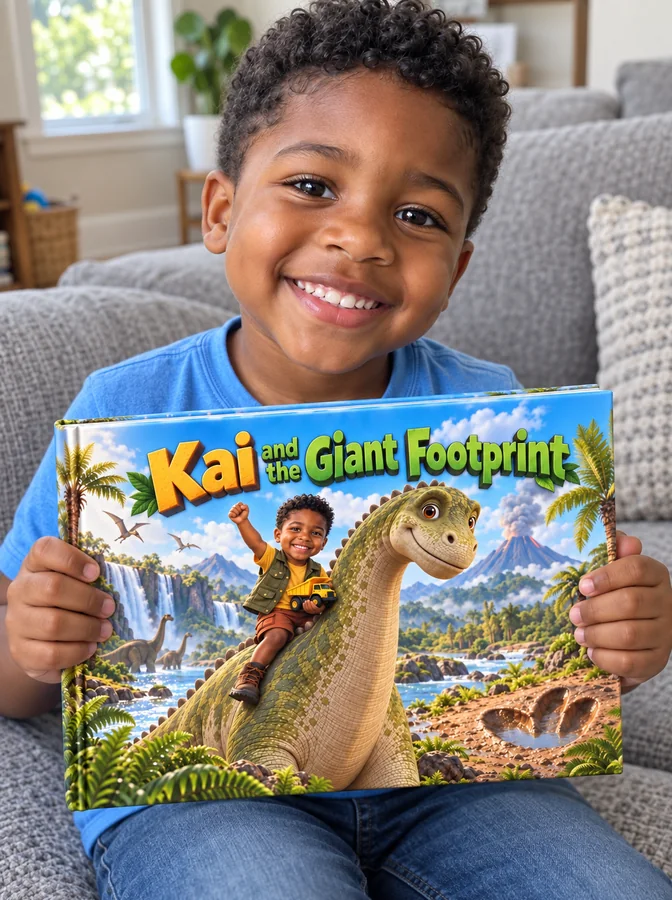
Fiktola makes personalized picture books where your child is the hero, drawn from your photo. Our anxiety book draws on bibliotherapy. You tell us when the worry is worst, how your child shows it, and what helps them feel safe. The book opens on the goodbye: the hero feels it in the body, names the feeling, reaches for what helps, and lets go. Then comes an ordinary, fun adventure with no trace of the worry. On the last pages, the person comes back exactly as promised.
Here is how that looks in an example book we made, Lily and the Whale Song:
1 of 4:
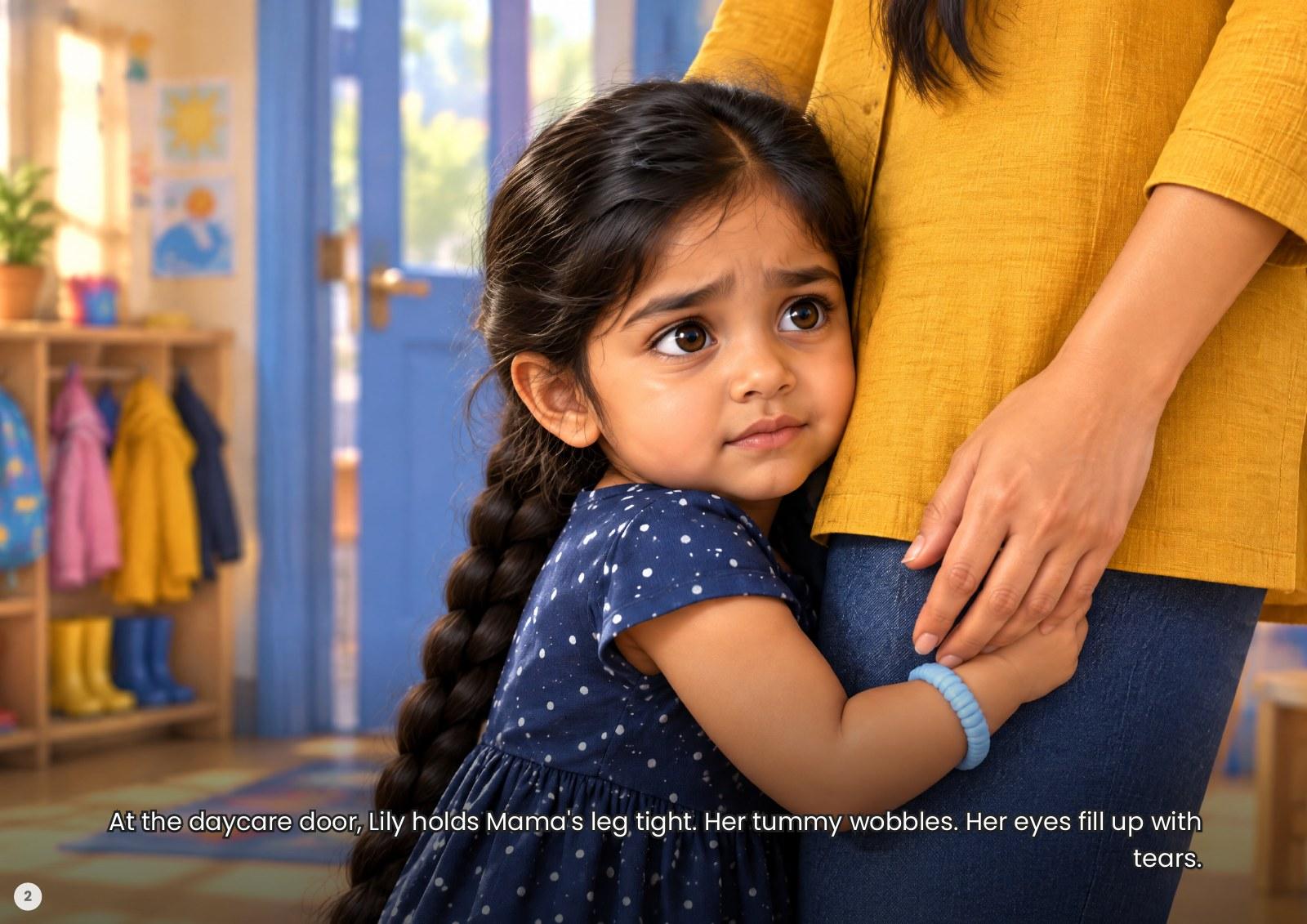
The feeling
At the daycare door, Lily holds Mama's leg tight. Her tummy wobbles. Her eyes fill up with tears.
2 of 4:
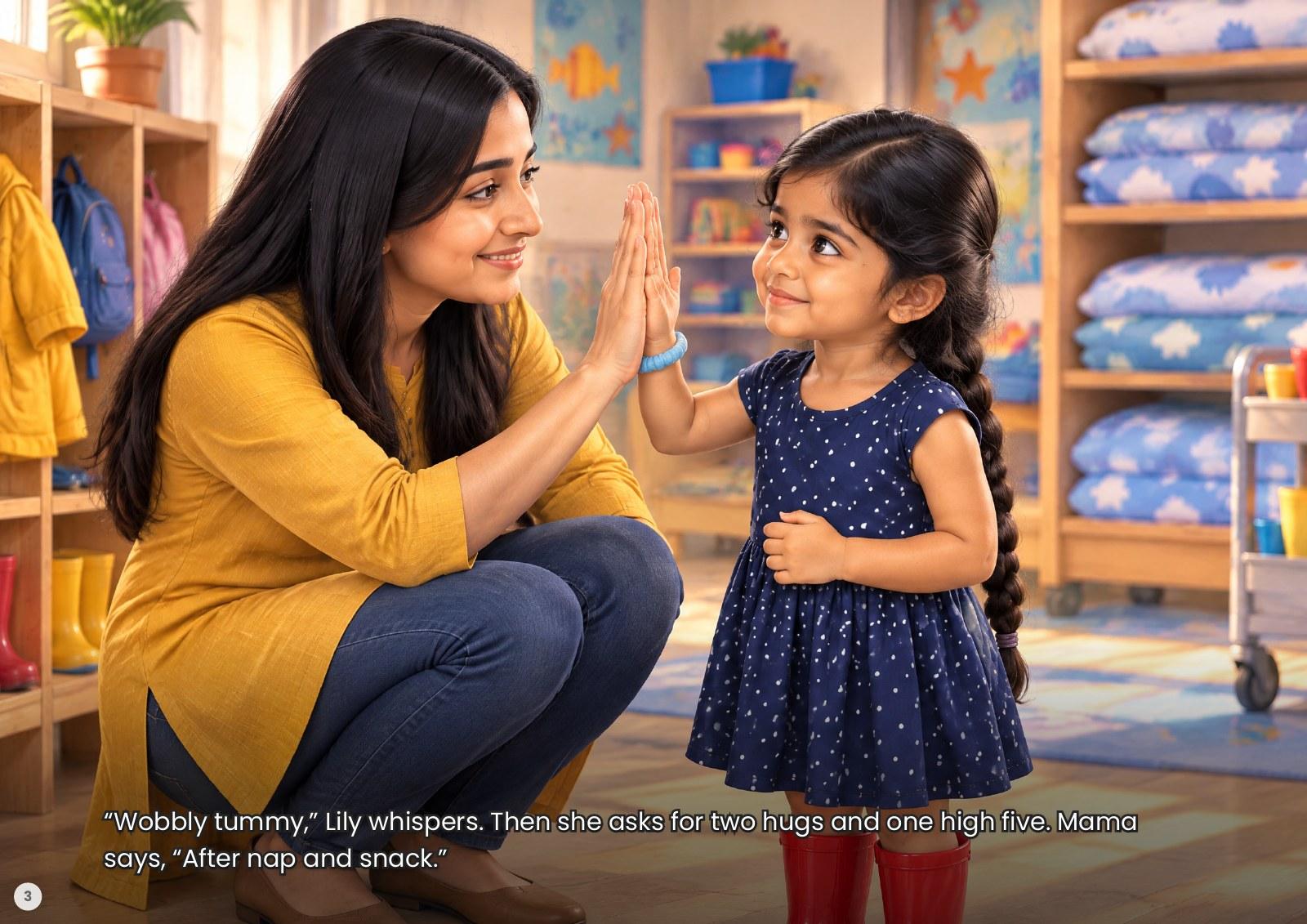
What helps
“Wobbly tummy,” Lily whispers. Then she asks for two hugs and one high five. Mama says, “After nap and snack.”
3 of 4:
The adventure
Lily swims with the dolphins, fast as a boat. They leap out of the water, and Lily leaps too!

4 of 4:
Back, just as promised
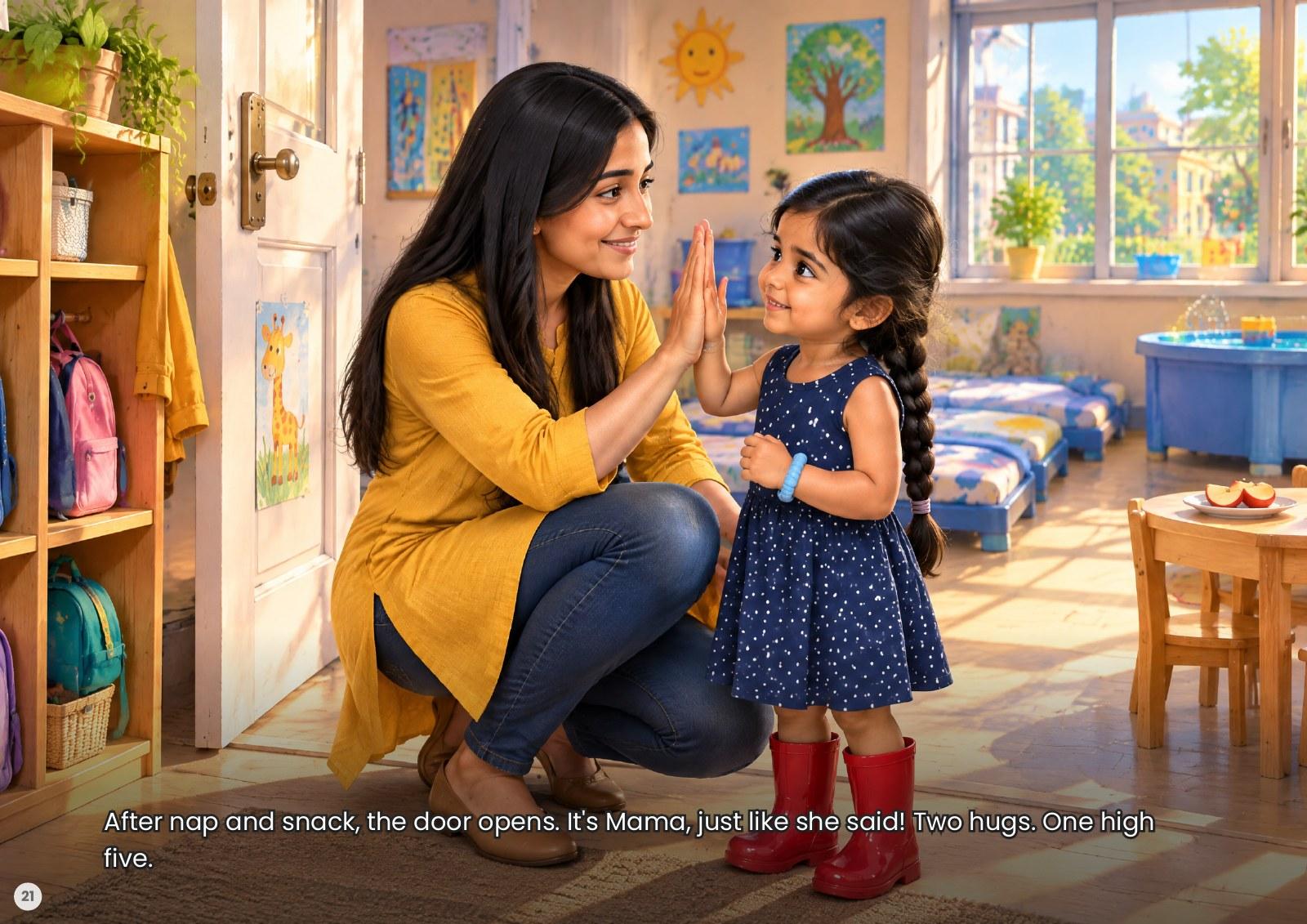
After nap and snack, the door opens. It's Mama, just like she said! Two hugs. One high five.
You read the whole story before you pay (a goodbye story written around your child), or browse our books for big moments. It is a picture book, not therapy or medical advice.
How to read a worry book with your child
-
Read it on a calm day. A child in the middle of tears needs comfort first. The NHS suggests preparing children for changes in advance (NHS (opens in a new tab)), so read a few days before the hard moment.
-
Keep the countdown short. Worry often peaks while a child waits, and the Child Mind Institute suggests keeping that stretch short (Child Mind Institute (opens in a new tab)). A reading or two, then a last one the night before, is plenty.
-
Ask, don't label. Pause on the worried page and ask how the character feels. Open questions work better than "Are you scared?"
-
Practice the coping step. A kiss on the palm, a big wave, a slow breath: rehearse it at home, then use it at the door.
-
Say when you'll be back. Use your child's time words, like "after snack." Then keep that promise.
-
Comfort, then go anyway. Helping a child avoid what scares them eases things today but can strengthen the fear over time (Child Mind Institute (opens in a new tab)).
How anxiety shows up in preschoolers
Some worry is part of growing up. Separation anxiety is very common in young children and usually fades by about age 2 to 3, according to the NHS (opens in a new tab). The AAP says it's rare for it to continue every day after the preschool years (HealthyChildren.org (opens in a new tab)).
In young children, worry often looks like clinging, tears, irritability, trouble sleeping, or tummy aches and headaches. Some children go quiet and keep worries to themselves, so the signs are easy to miss (CDC (opens in a new tab); NHS (opens in a new tab)).
When to talk to your pediatrician
This guide is general information, not medical advice. Talk to your pediatrician if your child's fears seem extreme or last past the usual age, cause intense upset, keep them from everyday things like preschool or sleeping alone, or come with stomachaches or headaches (KidsHealth (opens in a new tab)). The AAP also suggests calling if your child isn't adjusting to time apart from you (HealthyChildren.org (opens in a new tab)). And call any time something worries you.
Every story unique — no templates

- Photos are deleted after printing — or 30 days after you approve
- Every detail you give ends up in the story
Questions parents ask
What are good books about anxiety for preschoolers?
Choose by the worry. For goodbyes, try Owl Babies, Llama Llama Misses Mama or The Kissing Hand. For the dark, try Can't You Sleep, Little Bear? or Orion and the Dark. For first days, Mae's First Day of School or The Pigeon HAS to Go to School! For a child who worries about everything, Ruby Finds a Worry or Wemberly Worried. Most suit ages 3 to 7.
What books help with separation anxiety at daycare drop-off?
For toddlers, Bye-Bye Time by Elizabeth Verdick shows simple goodbye routines, like a hug, a big wave and a deep breath. For ages 2 to 5, Llama Llama Misses Mama follows a first day at preschool, and Owl Babies shows a mother who comes back. The Kissing Hand by Audrey Penn gives you a small goodbye ritual to borrow at the door.
Can picture books help an anxious child?
They can help a child name a feeling and rehearse a way to cope. Using stories this way is called bibliotherapy. Small trials published in the Journal of Anxiety Disorders and in Child Psychiatry & Human Development found that book-based programs led by parents reduced young children's nighttime fears. A book is not treatment, though. If worries are strong or lasting, talk to your pediatrician.
Is it normal for a 4-year-old to worry a lot?
Many worries are normal at 4. Nemours KidsHealth notes that children of 4 to 6 often fear the dark, monsters and loud noises, because they can't always tell what is real. Separation worries can also come and go. Talk to your pediatrician if fears are extreme, last past the usual age, or keep your child from preschool, sleep or play.
When should I talk to the pediatrician about my child's anxiety?
Nemours KidsHealth suggests talking to your doctor if fears seem extreme or last past the usual age, cause intense upset, stop everyday things like school or sleeping alone, or come with stomachaches or headaches. The American Academy of Pediatrics also suggests talking to your pediatrician if your child isn't adjusting to time apart from you. Your own concern is always reason enough to call.
Should I read a worry book before or after the hard moment?
Before, on a calm day. A child in the middle of tears needs comfort first, not a story. Read the book a few days ahead and once more the night before, then use its words or ritual at the door. The Child Mind Institute notes that worry often peaks while a child waits, so keep the lead-up short.
Sources
- How to Ease Your Child's Separation Anxiety (opens in a new tab) — American Academy of Pediatrics (HealthyChildren.org)
- Anxiety and Depression in Children (opens in a new tab) — Centers for Disease Control and Prevention
- Anxiety in children (opens in a new tab) — NHS
- Childhood Fears and Worries (opens in a new tab) — Nemours KidsHealth
- What to Do (and Not Do) When Children Are Anxious (opens in a new tab) — Child Mind Institute
- Treating nighttime fears in young children with bibliotherapy (Lewis et al., Journal of Anxiety Disorders, 2015) (opens in a new tab) — PubMed (NIH)
- Reducing the Nighttime Fears of Young Children Through a Brief Parent-Delivered Treatment (Kopcsó et al., Child Psychiatry & Human Development, 2022) (opens in a new tab) — PubMed (NIH)
- Bye-Bye Time, by Elizabeth Verdick (opens in a new tab) — Teacher Created Materials (Free Spirit Publishing)
- Bye-Bye Time (description) (opens in a new tab) — OverDrive
- Owl Babies, by Martin Waddell (opens in a new tab) — Penguin Random House (Candlewick)
- Llama Llama Misses Mama, by Anna Dewdney (opens in a new tab) — Penguin Random House (Viking)
- The Kissing Hand, by Audrey Penn (review) (opens in a new tab) — Publishers Weekly
- The Invisible String, by Patrice Karst (opens in a new tab) — Hachette Book Group (Little, Brown)
- Can't You Sleep, Little Bear?, by Martin Waddell (opens in a new tab) — Penguin Random House (Candlewick)
- Orion and the Dark, by Emma Yarlett (review) (opens in a new tab) — Publishers Weekly
- The Dark, by Lemony Snicket (opens in a new tab) — Hachette Book Group (Little, Brown)
- The Pigeon HAS to Go to School!, by Mo Willems (review) (opens in a new tab) — Publishers Weekly
- Mae's First Day of School, by Kate Berube (review) (opens in a new tab) — Publishers Weekly
- Breathe Like a Bear: First Day of School Worries, by Kira Willey (opens in a new tab) — Penguin Random House (Rodale Kids)
- Don't Worry, Little Crab, by Chris Haughton (review) (opens in a new tab) — Publishers Weekly
- Wemberly Worried, by Kevin Henkes (review) (opens in a new tab) — Kirkus Reviews
- Ruby Finds a Worry, by Tom Percival (review) (opens in a new tab) — Kirkus Reviews
- Jabari Jumps, by Gaia Cornwall (opens in a new tab) — Penguin Random House (Candlewick)