Books for Big Moments: Sleep, Potty, Feelings and New Siblings
Bedtime battles, potty setbacks, anger, goodbyes and a new baby: the big moments of early childhood in one place, with pediatricians' advice, our guides and growth books that star your child.
Bedtime battles, potty setbacks, a meltdown at the park, tears at the daycare door, a new baby on the way. These are the big moments of being 2 to 7, and a story is one of the gentlest ways to talk about them. Here are our guides and books for big moments, by situation, so you can start where your family is.
Why stories help with big moments
When a character feels what your child feels, the feeling gets easier to name. The American Academy of Pediatrics suggests reading books about feelings together (opens in a new tab) to help children recognize emotions and start conversations about big ones. It also suggests talking about feelings while your child is calm, so the words are ready when the hard moment comes.
Potty training rarely runs in a straight line. The AAP links potty setbacks to changes (opens in a new tab) like a move or a new baby, and says they usually pass within days or weeks. If a trained child suddenly has accidents, ask your pediatrician to rule out a physical cause.
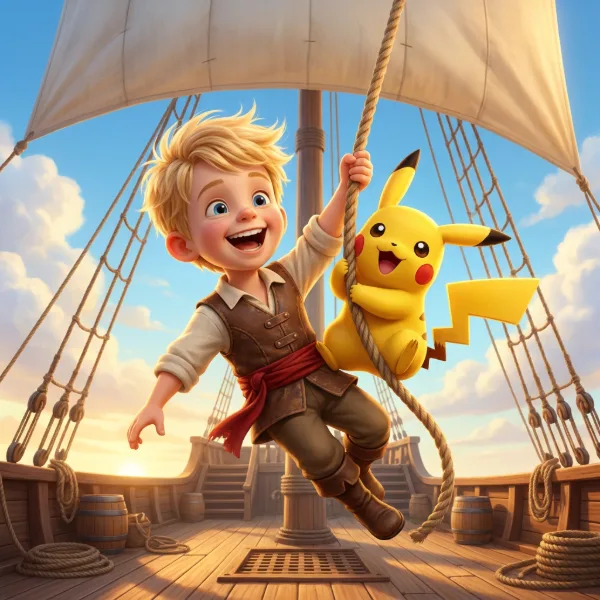
Captain Sam and the Treasure Map, an example potty book
Clinging and tears at drop-off are common too. The AAP calls separation anxiety (opens in a new tab) a normal part of development. It suggests a short goodbye ritual, a comfort object and coming back when you said you would.
Lily and the Whale Song, an example anxiety book
A new baby in the family
The AAP suggests reading books about newborns and siblings (opens in a new tab) before the birth, and says some regression afterwards, like toilet accidents, is normal. Our growth books don't cover a new baby, but any Fiktola book can add up to three more people or pets from photos. An optional step also lets you name a special moment for the story to weave in.
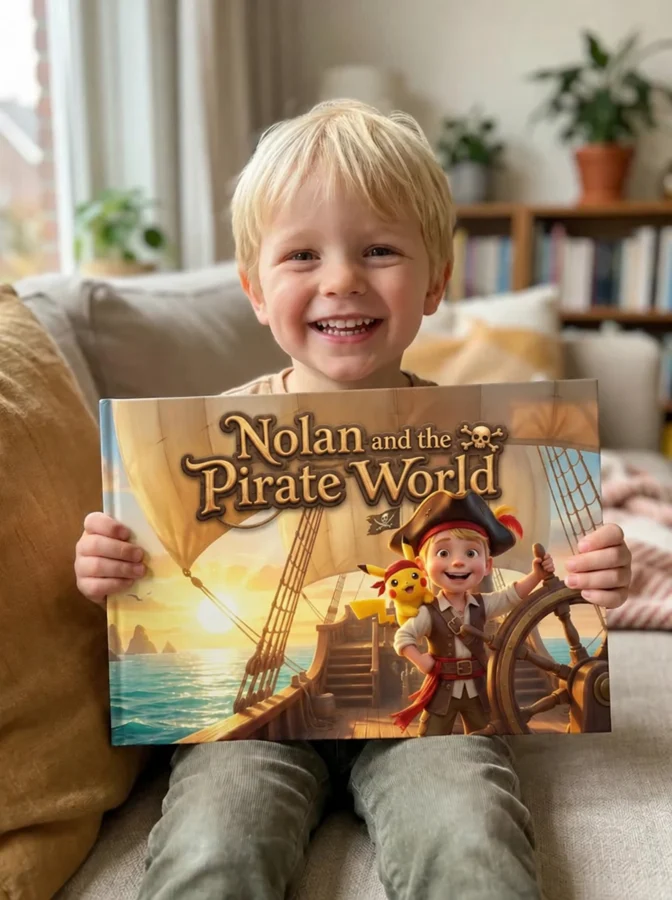
A story about your own child
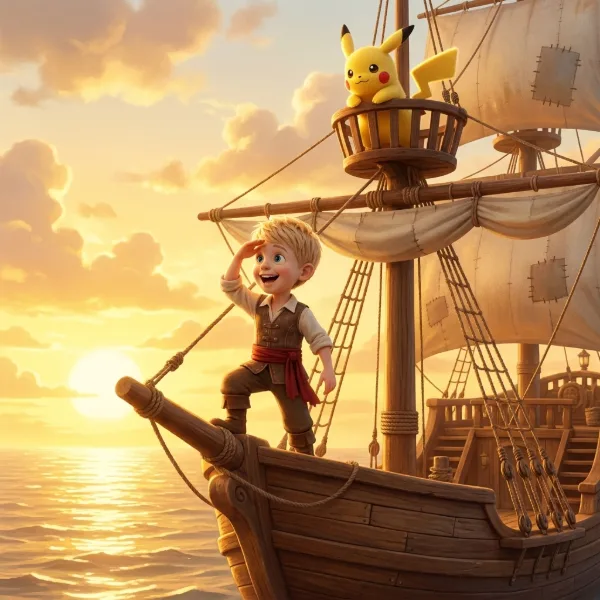
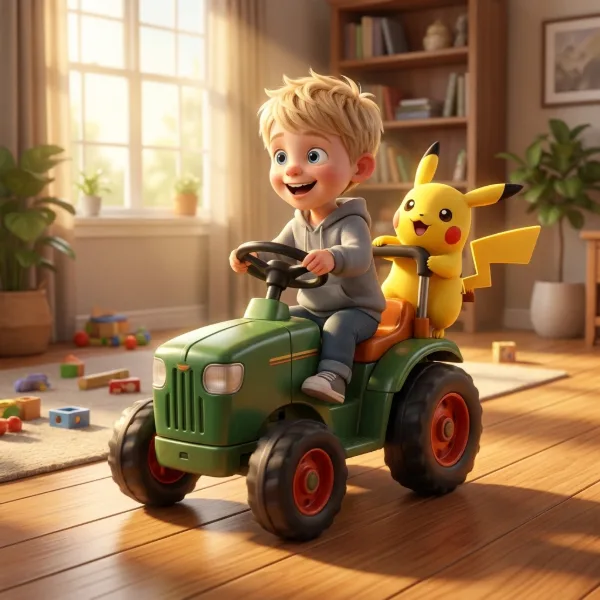
Fiktola makes personalized picture books: your child is the hero, drawn from your photo into a story written for them. Our growth books are written around something a child is going through: sleep, anger, anxiety or potty. Each is an ordinary, fun adventure in the world you pick. The hard part appears in only one short part of the book, and the book never names it as a lesson.
You answer three questions, such as what helps your child, and the story uses your answers. Growth books draw on bibliotherapy, using stories to help children with feelings and hard moments. They are picture books, not therapy or medical advice.
A good bedtime routine for preschoolers is about 30 minutes of the same calm steps every night. Here are timed sample routines for ages 3, 4 and 5, what changes when the nap ends, and calm answers to stalling, fears of the dark and nightmares.
Most children are ready to start potty training between 18 months and 3 years, but readiness signs matter more than age. Here are the typical ages, a 12-sign checklist, times to wait, and when to talk to your pediatrician.
Potty training regression is common and usually short. Here is why a trained child starts having accidents again, the signs that need a pediatrician, a calm 6-step reset plan, what to say, and how to get daycare and grandparents on the same plan.
A good toddler bedtime routine is short, calm and the same every night. Here are five steps, sample evening times for ages 18 months to 3, how to make story time work, and what to do when your toddler keeps getting up.
Fifteen gentle books about anxiety for preschoolers, sorted by the worry: goodbyes and drop-off, bedtime and the dark, new places, and everyday what-ifs. Each has an age range, plus a comparison table, reading tips and when to talk to your pediatrician.
Sixteen children's story books about feelings for ages 2 to 6, sorted by the feeling your preschooler is dealing with: all feelings, anger, worry, sadness, jealousy and shyness. Each has its publisher's age range, plus a comparison table and tips for reading together.
Our picks of the best potty training books for toddlers, sorted by age from first board books to funny stories for three-year-olds, plus a comparison table, four books for parents, and simple ways to make a potty book part of training.
Questions parents ask
What is a growth book?
A Fiktola growth book is a personalized picture book written around something your child is going through: sleep, anger, anxiety or potty. It is an ordinary, fun adventure in the world you pick, with your child as the hero, drawn from your photo. The difficulty shows up in only one short part of the book and is never named as a lesson. It is a picture book, not therapy or medical advice.
Can a picture book help my child with big feelings?
It can be a good start. The American Academy of Pediatrics says reading books about feelings together (opens in a new tab) can help children recognize emotions and open conversations about big ones, and that calm moments are the best time to talk. A book works alongside your routines and comfort, not instead of them. If a problem lasts or worries you, talk to your pediatrician.
Which guide should I start with?
Start with the moment that is hardest at home right now. For bedtime battles, our toddler bedtime routine guide gives a five-step plan with sample times by age. For potty training, anger, worries and a new baby, the sections on this page link the pediatricians' advice we rely on and the growth books we make. New guides appear on this page as they go live.
Your child, the hero
Make a book where your child is the hero
HOW IT WORKS
From your photo to their very own book
Fiktola
Name of your main character
Nolan
Upload photos
Add photos of your child, a family member or cuddly toy for an extra personal touch.